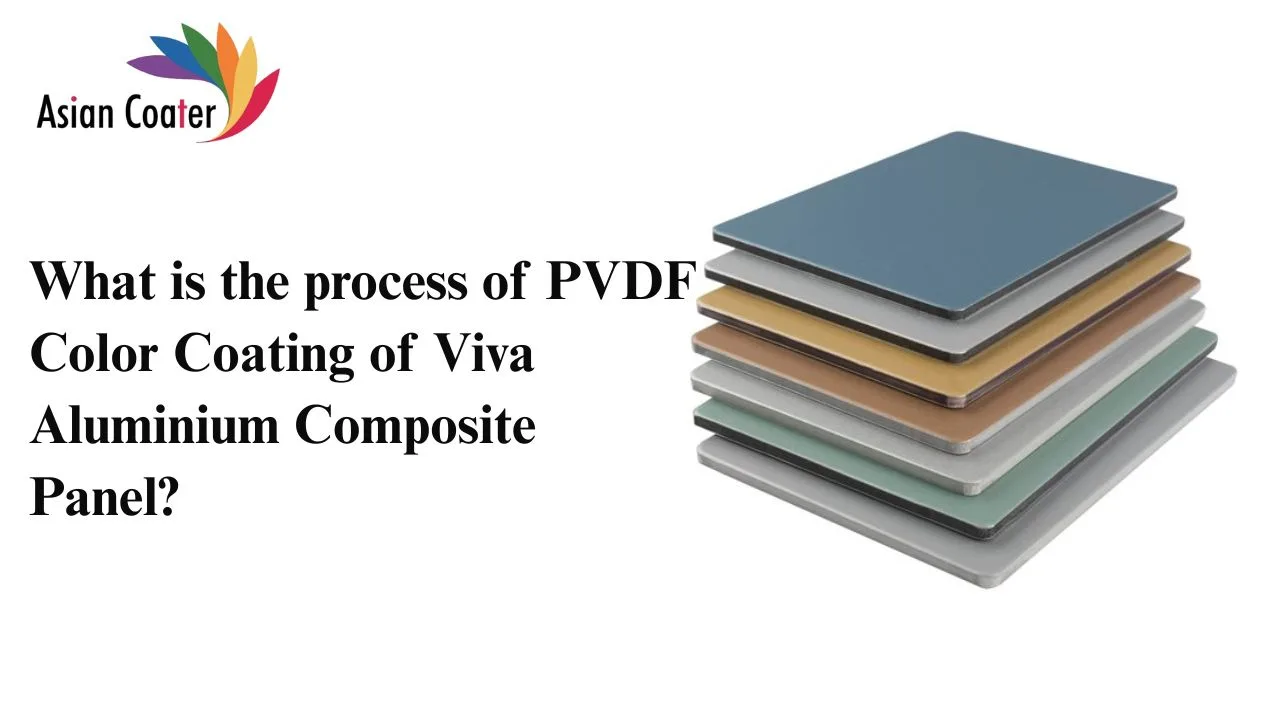
Asian Coater is known in the building and construction industry for delivering high-quality surface finishing solutions that combine durability, aesthetics, and long-term performance. One of the most advanced and widely preferred finishes for exterior cladding materials is PVDF color coating, especially when applied to aluminium composite panels. Understanding the process of PVDF color coating of Viva Aluminium Composite Panel helps architects, builders, and end users appreciate why this technology is trusted for modern facades.
What Is PVDF Color Coating?
PVDF coating, or Polyvinylidene Fluoride coating, is a high-performance resin-based coating system used primarily on metal surfaces. When it comes to aluminium composite panels, pvdf coating on aluminium offers exceptional resistance to weathering, UV radiation, corrosion, and chemical exposure. This makes it an ideal choice for exterior applications where long-lasting color and finish are critical.
Why PVDF Coating Is Used on Viva Aluminium Composite Panels
Aluminium Composite Panels are designed for architectural excellence, and applying pvdf coating enhances their performance significantly. The coating helps panels maintain color stability for years, even under harsh sunlight, rain, pollution, and temperature fluctuations.
Some key benefits include:
- Excellent color retention
- High resistance to fading and chalking
- Smooth and uniform finish
- Low maintenance requirements
- Enhanced protection against corrosion
Asian Coater specializes in processes that offer consistent quality across every panel.
Also Read : The Process For Powder Coating Stainless Steel
Step-by-Step Process of PVDF Color Coating
The process of PVDF color coating of the Viva Aluminium Composite Panel involves several carefully controlled stages. Each step plays a vital role in ensuring the final product meets international quality standards.
1. Surface Cleaning and Degreasing
The first step in pvdf coating on aluminium is thorough surface preparation. Aluminium sheets are cleaned to remove oil, dust, grease, and other contaminants. This is usually done through chemical degreasing and water rinsing. Proper cleaning ensures that the pvdf coating adheres effectively and prevents defects such as peeling or uneven finish.
2. Chemical Pretreatment
After cleaning, the aluminium surface undergoes chemical pretreatment, often through chromate or chrome-free treatment processes. This step creates a protective conversion layer on the aluminium.
The pretreatment:
- Improves corrosion resistance
- Enhances coating adhesion
- Extends the lifespan of the panel
This stage is critical in making sure the pvdf coating performs well over time.
3. Application of Primer Coat
Once the surface is prepared, a primer coat is applied. The primer acts as a bonding layer between the aluminium and the top PVDF color coat.
The primer layer:
- Ensures strong adhesion
- Improves surface smoothness
- Provides additional corrosion protection
Asian Coater uses advanced application techniques that offer uniform primer thickness across the panel.
4. Application of PVDF Color Coating
This is the most important stage of the entire process. The pvdf coating is applied using precision roller coating or spray coating systems, depending on the required finish and thickness. The PVDF resin is mixed with high-quality pigments and additives to achieve the desired color, gloss level, and texture.
5. Curing and Baking
After application, the coated panels are passed through high-temperature ovens for curing. During this stage, the PVDF resin undergoes a chemical reaction that bonds the coating firmly to the aluminium surface.
Proper curing:
- Enhances hardness and durability
- Locks in color pigments
- Ensures resistance to weather and chemicals
This controlled baking process is what gives PVDF-coated panels their exceptional performance.
6. Cooling and Quality Inspection
Once cured, the panels are cooled gradually to avoid thermal stress. After cooling, each Viva Aluminium Composite Panel undergoes strict quality checks.
Inspections typically include:
- Coating thickness measurement
- Color consistency checks
- Adhesion and flexibility tests
- Surface defect inspection
Asian Coater follows rigorous quality control procedures to offer panels that meet global standards.
Advantages of PVDF Coating on Aluminium Composite Panels
The popularity of pvdf coating on aluminium panels is due to its unmatched performance in exterior environments. Some major advantages include:
- Long service life, often exceeding 15–20 years
- Excellent resistance to UV rays and pollution
- Minimal maintenance requirements
- Wide range of colors and finishes
- Superior protection against corrosion
These benefits make PVDF-coated Viva Aluminium Composite Panels a preferred choice for commercial buildings, airports, malls, and high-rise structures.
Why Choose Asian Coater?
Asian Coater brings technical expertise, modern coating lines, and strict quality standards to every project. Our PVDF coating solutions are designed to meet architectural demands while ensuring durability and visual appeal. By using advanced technology and skilled professionals, they offer coating solutions that deliver consistent results and long-term value.
The process of PVDF color coating of Viva Aluminium Composite Panel is a carefully engineered sequence that ensures durability, beauty, and performance. From surface preparation to final inspection, every step contributes to the effectiveness of the pvdf coating. With trusted experts like Asian Coater, builders and architects can depend on premium pvdf coating on aluminium that stands the test of time, both in appearance and protection.