Asian Coater is a trusted name of Anodizing Finishing Services, we ensure that every anodized product meets the highest standards of durability, precision, and aesthetic quality. Their process ensures consistent thickness, uniform coloring, and superior finish quality.
What is Anodizing?
Anodizing is an electrochemical process that converts the metal surface into a decorative, durable, corrosion-resistant oxide layer. Unlike paint or plating that is applied on the surface, anodizing changes the surface itself by thickening the natural oxide layer already present on metals such as aluminum, magnesium, and titanium.
What is the Anodizing Process?
The anodizing process involves several steps that ensure the creation of a protective and decorative oxide layer on the metal’s surface. The process generally includes the following stages:
- Cleaning and Degreasing: The metal surface is cleaned thoroughly to remove any oil, dust, or impurities that could affect the finish.
- Etching and Desmutting: The surface is lightly etched to create a uniform texture, and chemical desmutting is done to remove contaminants like silicon or copper residues.
- Anodizing (Electrolytic Process): The cleaned metal is submerged in an acid electrolyte bath, usually sulfuric acid. An electric current passes through the solution, making the metal piece the anode.
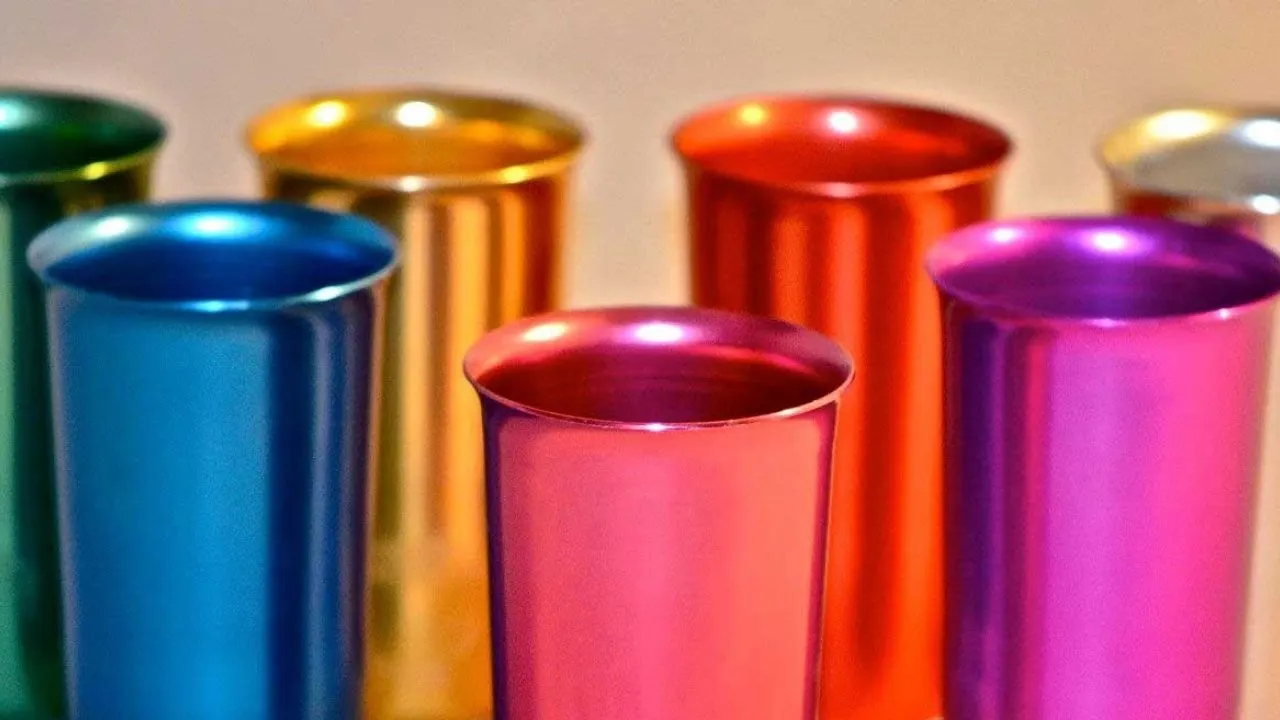
- Coloring (Optional): The porous oxide layer can absorb dyes to achieve different colors like black, bronze, blue, red, or gold. This gives products a decorative and appealing appearance.
- Sealing: The final step involves sealing the porous surface to lock in the color and enhance corrosion resistance.
Types of Anodizing
There are several types of anodizing processes, each suited for different applications depending on the metal type, required appearance, and level of protection:
- Type I – Chromic Acid Anodizing: Produces a thin, flexible oxide layer and is often used in aerospace industries where fatigue resistance is essential.
- Type II – Sulfuric Acid Anodizing: The most common type, providing a moderate coating thickness that allows for coloring and decorative finishes.
- Type III – Hard Anodizing (Hardcoat): Creates a very thick and hard oxide layer, ideal for parts that require high wear resistance, such as machine components or gears.
Asian Coater provides customized Anodizing Finishing Services for all three types, ensuring that every component receives the right level of protection and finish quality for its intended use.
Benefits of Anodizing
Anodizing provides multiple advantages that make it the preferred surface treatment across industries. Some key benefits include:
- Corrosion Resistance: The oxide layer formed during anodizing acts as a strong barrier against moisture, chemicals, and oxidation.
- Durability and Hardness: Anodized surfaces are much harder and more scratch-resistant compared to painted or plated finishes.
- Aesthetic Appeal: The process allows for a wide range of colors and finishes, adding decorative value to consumer and industrial products.
- Environmentally Friendly: Anodizing uses water-based electrolytes and produces non-toxic, recyclable surfaces, making it an eco-friendly choice.
- Easy Maintenance: Anodized metal surfaces are smooth, non-conductive, and easy to clean, making them ideal for both indoor and outdoor applications.
Also Read : A DIY Step-by-Step Guide on How to Anodize Aluminum
Uses of Anodizing
The uses of anodizing are widespread across different industries due to its versatility and reliability. Some common anodizing uses include:
- Aerospace Industry: Used in aircraft components for corrosion resistance, lightweight strength, and fatigue protection.
- Automotive Industry: Applied to car parts, wheels, and trims for improved durability and aesthetic appeal.
- Architecture and Construction: Anodized aluminum is used in windows, curtain walls, doors, and panels for its long-lasting and attractive finish.
- Consumer Electronics: Popular for mobile phones, laptops, and home appliances because it provides a sleek appearance and protects against wear.
- Marine and Industrial Equipment: Used in marine environments to resist saltwater corrosion and in machinery for enhanced lifespan.
Asian Coater provides Anodizing Finishing Services suitable for all these sectors, tailoring solutions based on the customer’s design, color, and functional needs.
Anodizing is not just a surface treatment—it’s a transformation that combines aesthetics to create metal finishes that are both beautiful and durable. Understanding anodizing meaning and its process highlights how it helps industries achieve excellence in both performance and appearance.
Asian Coater is a reliable partner, we continue to offer world-class Anodizing Finishing Services with precision, quality, and innovation. Whether it’s enhancing product life, improving corrosion resistance, or achieving a flawless decorative finish, our expertise ensures that clients get the best results every time.