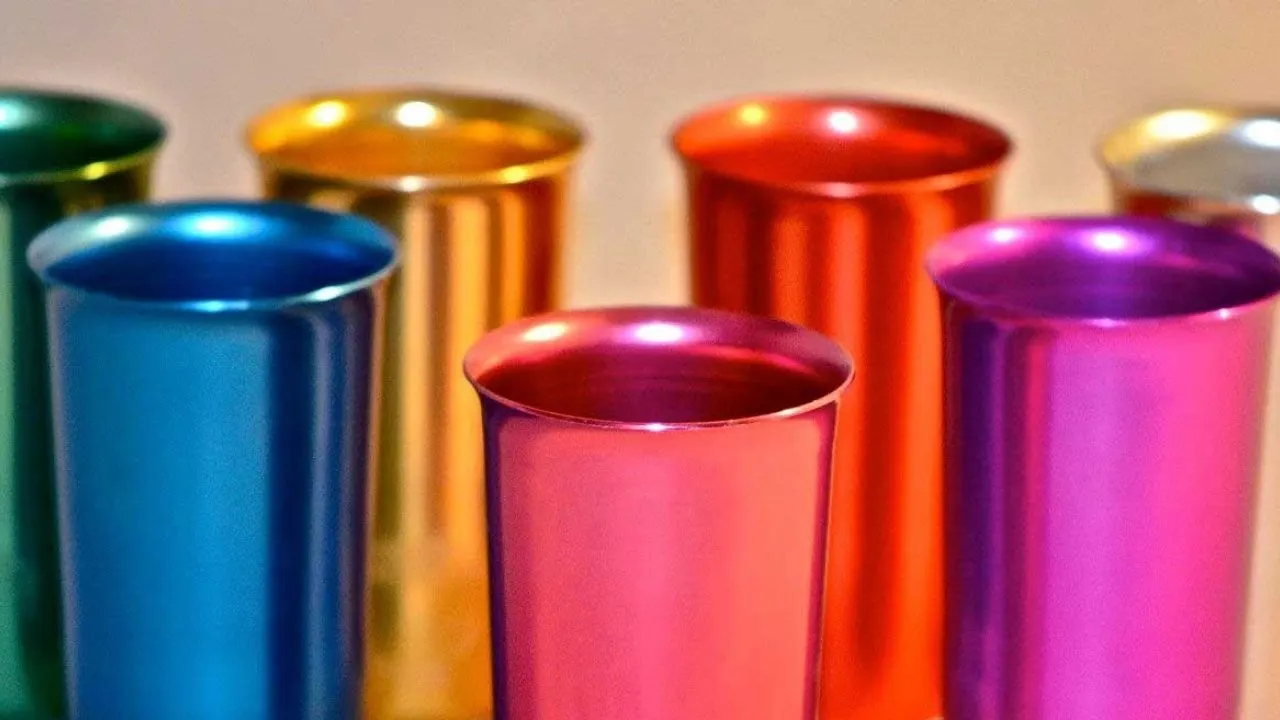
Anodizing is one of the most effective surface finishing techniques used to improve the durability, appearance, and corrosion resistance of aluminum products. From architectural panels and kitchen equipment to automotive components and electronics, anodized aluminum is widely preferred for its long-lasting performance and attractive finish. Unlike paint or powder coating, anodizing creates a protective oxide layer that becomes part of the metal itself, making it highly resistant to wear and environmental damage.
At Asian Coater, we offer high-quality aluminum finishing solutions designed to meet the requirements of various industries. With advanced technology and skilled professionals, we help customers achieve durable and aesthetically pleasing anodized aluminium surfaces that perform exceptionally well in demanding environments.
What Is Anodizing?
Anodizing is an electrochemical surface treatment that enhances the natural oxide layer present on aluminum. During the anodizing of aluminium, the metal is immersed in an electrolyte solution and connected to an electrical circuit. This controlled process thickens the oxide layer, making it harder, more corrosion-resistant, and suitable for coloring.
Unlike conventional coatings that sit on the surface, the anodized layer becomes an integral part of the aluminum. This makes anodized aluminum highly durable and less likely to peel, chip, or crack over time.
What Is the Anodization Process?
The anodization process involves several carefully controlled steps to ensure a consistent and high-quality finish. Every stage contributes to the performance and appearance of the final product.
1. Surface Cleaning
The aluminum is thoroughly cleaned to remove oil, grease, dirt, and other contaminants. A clean surface is essential for achieving uniform anodizing results.
2. Etching
The material is chemically etched to eliminate minor surface imperfections and create an even texture.
3. Desmutting
After etching, any remaining residues are removed to prepare the aluminum for anodizing.
4. Electrochemical Anodizing
The aluminum is placed in an acid electrolyte bath and connected as the anode in an electrical circuit. Electric current causes oxygen to react with the surface, forming a thick oxide layer. This is the core stage of the anodization process.
5. Coloring (Optional)
If colored finishes are required, dyes or electrolytic coloring methods are applied before sealing.
6. Sealing
Finally, the pores of the anodized layer are sealed to improve corrosion resistance and lock in the color.
At Asian Coater, we offer precision-controlled anodizing solutions to ensure consistent quality, excellent finish, and long-lasting performance.
Types of Anodizing
Different applications require different anodizing methods. The most common types include:
Type I – Chromic Acid Anodizing
This process produces a thinner oxide layer and is commonly used in aerospace applications where minimal dimensional changes are important.
Type II – Sulfuric Acid Anodizing
The most widely used method, Type II provides excellent corrosion resistance and allows for a wide range of colors. It is commonly used for anodized aluminium in architectural and decorative applications.
Type III – Hard Anodizing
Also known as hard coat anodizing, this method creates a much thicker and harder oxide layer. It is ideal for industrial machinery, engineering components, and high-wear applications requiring superior durability.
Benefits of Anodized Aluminum
There are many reasons why anodized aluminum is preferred across multiple industries.
Some key benefits include:
- Excellent corrosion resistance
- Increased surface hardness
- Improved wear resistance
- Attractive decorative finish
- Long-lasting color retention
- Resistance to UV exposure
- Environmentally friendly process
These advantages make anodized aluminium an ideal choice for both indoor and outdoor applications.
Why Is Anodizing of Aluminium Important?
The anodizing of aluminium significantly improves the metal’s resistance to corrosion and environmental exposure. Aluminum naturally forms a thin oxide layer, but anodizing thickens this layer, making it much stronger and more durable. This enhanced protection allows aluminum products to withstand harsh weather, humidity, pollution, and chemicals without losing their appearance or structural integrity.
Additionally, anodized surfaces retain their finish for years, reducing maintenance costs and extending the service life of aluminum products.
Anodized Aluminium vs Painted Aluminium
Although both methods improve appearance, there are significant differences between painted and anodized aluminium. Anodized surfaces become part of the metal itself, making them resistant to peeling and chipping. Painted surfaces, on the other hand, form a separate layer that may crack or deteriorate over time.
The anodization process also provides superior abrasion resistance, better UV stability, and a more natural metallic appearance. These qualities make anodized finishes particularly suitable for demanding industrial and architectural environments. With proper care, anodized aluminium can retain its appearance and protective qualities for many years.
The anodization process is one of the most effective methods for enhancing the strength, durability, and appearance of aluminum products. By creating a protective oxide layer, anodized aluminum provides superior resistance to corrosion, wear, and weather while maintaining an attractive finish.
From architectural applications to industrial manufacturing, anodized aluminium continues to be a preferred choice due to its long lifespan, minimal maintenance, and outstanding performance. At Asian Coater, we offer professional anodizing solutions that help customers achieve reliable, high-quality finishes for a wide range of aluminum products. Whether your project demands durability, aesthetics, or both, our expertise in the anodizing of aluminium ensures exceptional results that stand the test of time.