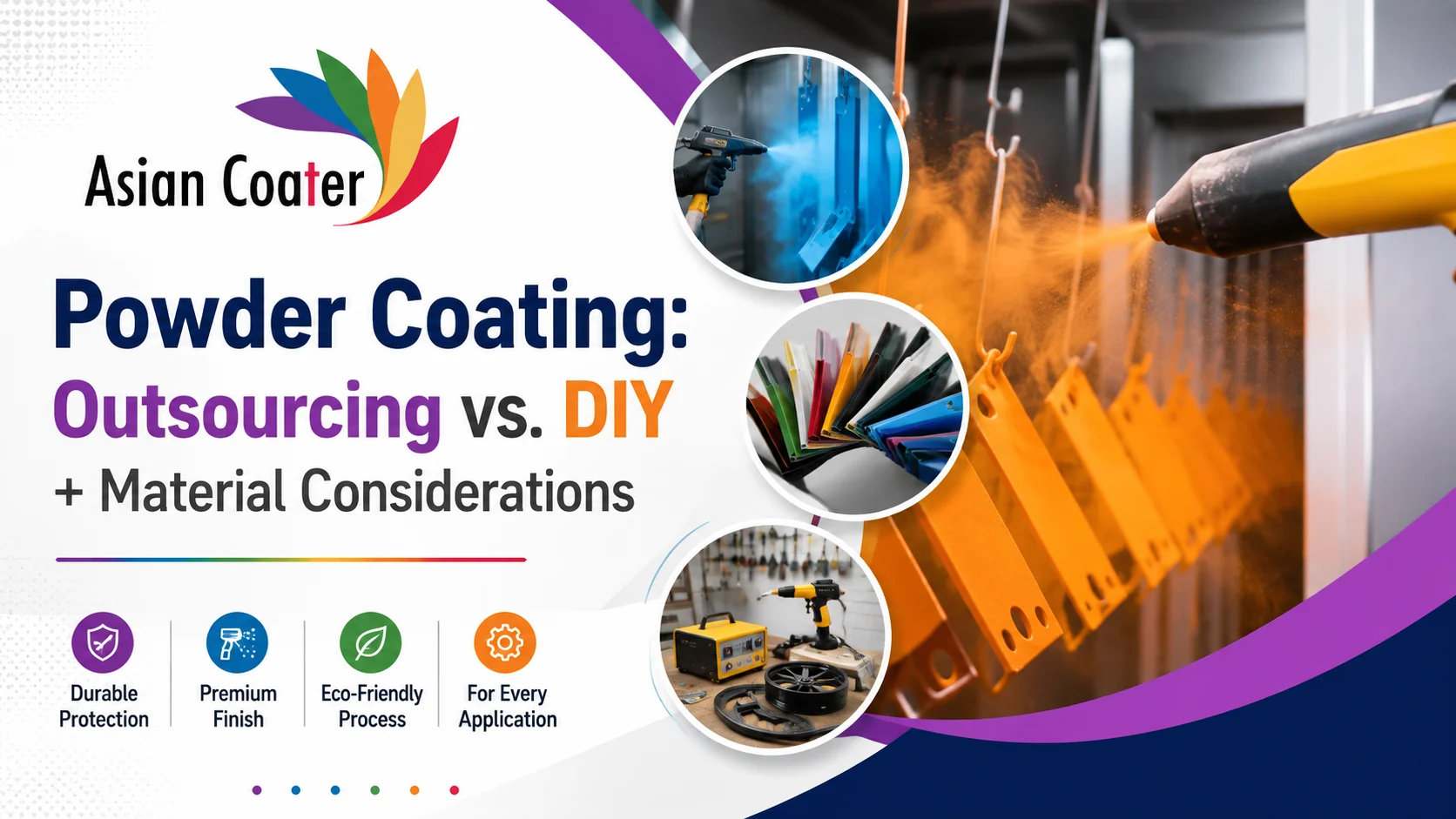
Powder coating has become one of the most trusted finishing methods for metal products because it provides outstanding durability, corrosion resistance, and an attractive appearance. From industrial machinery and automotive parts to furniture and architectural components, powder coating delivers a finish that lasts much longer than conventional paint. While powder coat diy projects may seem cost-effective for small items, professional powder coating offers better consistency, durability, and long-term value. Asian Coater can offer high-quality powder coating solutions using advanced equipment and industry-approved processes, ensuring every project receives a premium finish.
What is Powder Coating?
Powder coating is a dry finishing process where electrostatically charged powder is sprayed onto a prepared metal surface. The coated component is then cured inside a specialized oven, allowing the powder to melt and form a strong, uniform protective layer. Unlike traditional liquid paint, powder coating contains little or no solvents, making it a cleaner and more environmentally friendly finishing option. The result is a durable coating that resists scratches, corrosion, chemicals, UV exposure, and harsh weather conditions.
How Does Powder Coat Work?
The procedure involves several carefully controlled steps to achieve a flawless finish.
The process generally includes:
- Thorough cleaning of the metal surface
- Chemical pretreatment for better adhesion
- Electrostatic application of powder coating
- Uniform coating coverage
- Heat curing in a specialized oven
- Final inspection for quality and finish
During curing, the powder melts and chemically bonds with the surface, creating a smooth and highly durable protective coating.
DIY Powder Coating vs. Professional Powder Coating
Choosing between diy powder coating and professional services depends on the project size, quality expectations, available equipment, and budget.
DIY Powder Coating
Many hobbyists consider powder coat diy for bicycles, small automotive parts, garden tools, and decorative items. DIY kits are available, but they require proper preparation, spraying equipment, and a curing oven.
However, DIY powder coating also has several limitations. Uneven application, inadequate surface preparation, incorrect curing temperatures, and lack of professional equipment can affect the final finish.
Professional Powder Coating
Professional coating companies use advanced electrostatic spray systems, controlled curing ovens, and strict quality inspections. This results in superior adhesion, consistent coating thickness, and long-lasting protection.
Asian Coater can offer professional powder coating services for industrial and commercial applications, ensuring every component meets high-quality standards.
Can You Powder Coat at Home?
Home powder coating requires specialized spray equipment, an appropriate curing oven, proper safety gear, and a well-ventilated workspace. Household ovens should never be used for curing coated parts that will later come into contact with food. While home powder coating can be suitable for small hobby projects, it is generally not recommended for large industrial components or products requiring a flawless commercial finish.
Material Considerations for Powder Coating
Not every material responds to powder coating in the same way. Understanding material compatibility helps achieve the best possible results.
Mild Steel
Mild steel is one of the most commonly powder-coated materials because it provides excellent coating adhesion and long-lasting corrosion protection.
Stainless Steel
Stainless steel can also be powder coated after proper surface preparation, improving both appearance and additional environmental resistance.
Aluminium
Aluminium is widely powder coated for architectural products, automotive parts, and industrial equipment due to its lightweight nature and corrosion resistance.
Cast Iron
Cast iron components can be powder coated successfully after thorough cleaning and pretreatment to remove contaminants.
Selecting the right coating material and preparation method ensures better durability and improved finish quality.
Benefits of Professional Powder Coating
Professional powder coating offers several advantages over diy powder coating.
Superior Finish
Advanced equipment provides smooth, even coating with excellent visual appeal.
Better Durability
Professionally cured coatings resist scratches, impact, chemicals, and corrosion for many years.
Consistent Quality
Every component receives uniform coating thickness and reliable performance.
Time Savings
Professional service eliminates the need to purchase equipment or spend time learning complex coating techniques.
Cost-Effective for Large Projects
Commercial production benefits from efficient processing and reduced material waste.
Why Choose an Asian Coater?
Choosing an experienced coating specialist ensures better product quality and long-term protection. Asian Coater has developed expertise in delivering reliable powder coating solutions for industrial, commercial, and architectural applications. Our modern coating facilities help deliver consistent results across projects of every size.
When comparing diy powder coating with professional services, the right choice depends on your project requirements, budget, and expected finish quality. While powder coat diy may work well for small personal projects, professional powder coating provides superior durability, appearance, and long-term performance.
Asian Coater can offer professional powder coating services that combine advanced technology, skilled workmanship, and exceptional quality. Our commitment to precision and customer satisfaction ensures every coated product delivers reliable protection and an outstanding finish for years to come.