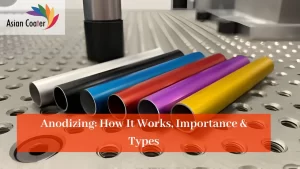

Anodizing is one of the most widely used surface finishing techniques in modern manufacturing industries. It is a specialized electrochemical treatment that enhances the durability, appearance, and corrosion resistance of metal surfaces, especially aluminum. Industries such as automotive, aerospace, construction, electronics, and consumer goods extensively rely on the anodization process to improve the performance and lifespan of metal components.
At Asian Coater, we offer high-quality anodizing solutions designed to meet various industrial requirements. With advanced technology and skilled professionals, we ensure superior surface finishing results for various applications.
What is Anodizing?
Anodizing is an electrochemical process used to create a protective oxide layer on the surface of metals. This process primarily applies to aluminum, although other metals such as titanium and magnesium can also undergo anodization.
The oxide layer formed during the anodization process becomes an integral part of the metal surface rather than being a coating applied externally. Anodizing not only improves the functional properties of metals but also enhances their aesthetic appeal by allowing various colors and finishes.
What Does Anodized Mean?
The term “anodized” refers to a metal surface that has undergone the anodization process to create a controlled oxide layer.
When a metal is anodized, its surface becomes harder, more corrosion-resistant, and capable of retaining decorative colors. Unlike paint or coatings that sit on top of the surface, the anodized layer becomes part of the metal itself, making it exceptionally durable and long-lasting.
For example, Anodized aluminum is commonly used in architectural structures, kitchen utensils, mobile phones, laptops, automotive parts, and industrial machinery because of its superior resistance to scratching and weather conditions.
How Does Anodizing Work?
Understanding how does anodizing work requires a basic understanding of electrochemistry. The anodization process involves immersing a metal component into an electrolyte solution while passing an electrical current through it.
The process generally follows these steps:
Surface Preparation
Before anodizing begins, the metal surface is thoroughly cleaned to remove grease, dirt, oxidation, and contaminants. Proper cleaning ensures uniform anodized finishing.
Electrolytic Treatment
The cleaned metal component is immersed in an acid electrolyte bath and connected as the anode in an electrical circuit.
Oxide Layer Formation
This electrochemical reaction creates a thick and controlled oxide layer on the metal surface. The thickness of this layer depends on factors such as voltage, temperature, and processing time.
Coloring Process
If decorative finishes are required, dyes or pigments can be introduced into the porous oxide layer. This allows manufacturers to create various colored anodized products.
Sealing
The final step involves sealing the pores of the anodized surface to maximize corrosion resistance and durability.
This entire anodization process creates a highly protective finish that significantly enhances the performance of metal components.
Materials Used in the Anodization Process
Although aluminum remains the most commonly anodized metal, several other materials can also undergo anodization successfully.
Aluminum
Aluminum is the preferred material for the anodization process because it forms a strong and highly protective oxide layer. Most architectural, industrial, and consumer products utilize anodized aluminum.
Titanium
Titanium can be anodized to improve corrosion resistance and create decorative color finishes. It is widely used in aerospace, medical implants, and jewelry manufacturing.
Magnesium
Magnesium anodization improves wear resistance and surface protection for lightweight engineering applications.
Zinc
Certain specialized anodization techniques can also be applied to zinc-based components for enhanced surface performance.
Types of Anodizing
Different applications require different anodizing methods. The major types include:
Sulfuric Acid Anodizing
This is the most common anodization process used for industrial and decorative applications. It offers excellent corrosion resistance and allows easy coloring.
Hard Anodizing
Hard anodizing creates a thicker oxide layer that provides exceptional wear resistance and hardness. It is commonly used in aerospace, defense, and heavy industrial equipment.
Chromic Acid Anodizing
This process provides good corrosion protection while maintaining dimensional accuracy and is often used in aerospace components.
Applications of Anodized Materials
The demand for anodized products continues to grow due to their excellent performance characteristics. Common applications include:
- Architectural windows and doors
- Curtain wall systems
- Automotive trim components
- Aerospace structural parts
- Consumer electronics
- Kitchen equipment
- Medical instruments
- Industrial machinery
- Marine components
- Decorative products
The versatility of the anodization process makes it suitable for both functional and decorative purposes.
Benefits of Anodizing
There are several reasons why industries prefer anodized materials:
- Superior corrosion resistance
- Increased surface hardness
- Enhanced wear resistance
- Improved appearance
- Environmentally friendly process
- Excellent adhesion properties
- Long-lasting durability
- UV resistance
- Low maintenance requirements
- Wide range of decorative finishes
These advantages make anodized products highly cost-effective over their operational lifespan.
Why Choose Asian Coater for Anodizing Services?
At Asian Coater, we offer advanced anodizing solutions tailored to industrial specifications and customer requirements. Our experienced team utilizes modern equipment and strict quality control procedures to deliver consistent anodized finishes with superior durability and appearance.
Whether you require decorative anodizing, hard anodizing, or customized surface treatment solutions, Asian Coater provides reliable and efficient services designed to maximize product performance and longevity.
The anodization process significantly improves the durability, corrosion resistance, and visual appeal of metals, making it indispensable across various industries. As manufacturing standards continue to evolve, the demand for high-quality anodized products will continue to grow. With expertise, advanced infrastructure, and a commitment to quality, Asian Coater remains dedicated to delivering exceptional anodizing solutions for diverse industrial applications.